
Australia Becomes the First Country in the World to Ban Social Media for Children
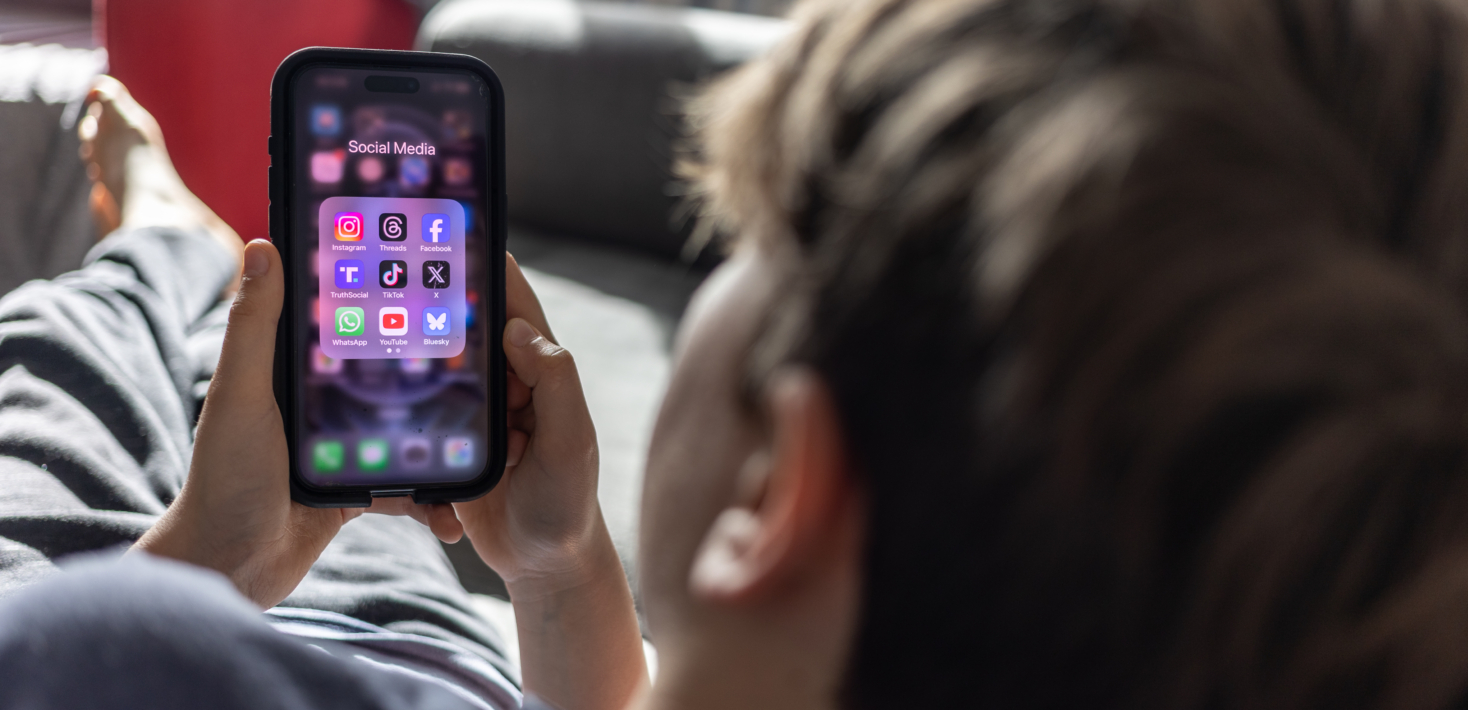
Australians under the age of 16 are no longer allowed to use social media platforms such as TikTok, Instagram, YouTube, Snapchat, or X.
However, the legislation does not apply to services such as WhatsApp, Roblox, Pinterest, email applications, and several other digital platforms.
How Does the Ban Work?
Under the new law, social media platforms including TikTok, Facebook, Instagram, X, YouTube, Snapchat, Reddit, Kick, Twitch, and Threads are required to delete accounts belonging to users under the age of 16 and prevent new registrations by minors. Companies that fail to comply may face fines of up to AUD 49.5 million. Children themselves will not be penalized for attempting to access the platforms.
Testing of age-verification and compliance mechanisms is expected to begin in January, while the full ban will come into force one year later.
According to The Guardian, some teenagers prepared for the changes by switching phone numbers or making arrangements before their accounts were deactivated. Others reportedly managed to pass age verification through facial recognition technologies.
Australian Prime Minister Anthony Albanese acknowledged that the legislation would not be perfect from day one. Nevertheless, he argued that it sends a clear message about protecting children online. Comparing social media age restrictions to the legal drinking age, he encouraged young people to “take up a new sport, learn a musical instrument, or finally read that book that has been sitting on the shelf waiting for its turn.”
How Have Australians Responded?
Parents have expressed mixed views on the ban. Some reported that their children were upset because certain classmates were identified as adults and allowed to keep their accounts, while their own accounts were blocked. Others admitted teaching their children how to bypass restrictions using VPN services in order to stay connected with friends. At the same time, many parents welcomed the measure, arguing that children have become overly dependent on social media and that stronger protections are necessary. Others expressed concern that teenagers may simply migrate to less regulated platforms that are even more difficult to monitor.
Amnesty International Australia described the ban as an “ineffective quick fix.” Human rights advocates argue that the measure risks isolating children from valuable sources of information, support, and community that they access online. In their view, rather than making platforms safer, the government has chosen to exclude children from them altogether.
Similarly, Human Rights Law Centre has emphasized that children have rights to access information and freedom of expression, and that a blanket ban on social media may conflict with these principles.
The Ban Is Being Challenged in the High Court
Critics of the legislation argue that it may be unconstitutional and have already filed a challenge before Australia’s highest court.
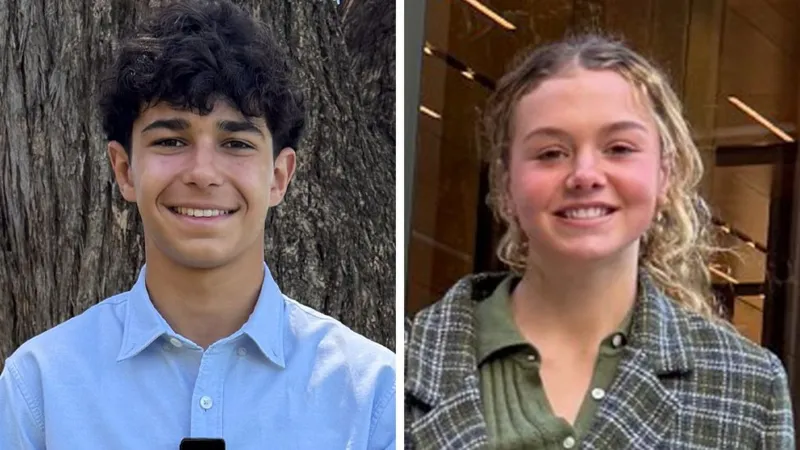
The plaintiffs are two 15-year-old teenagers, Noah Jones and Maisy Neyland. They contend that the ban restricts young Australians’ freedom of political communication, an implied constitutional right recognized under Australian law.
Australia’s decision is already influencing international discussions. Several countries, including Malaysia, Denmark, Switzerland, and Norway, have expressed interest in introducing similar restrictions. Comparable measures have also been discussed within the European Parliament.
As governments around the world continue to grapple with the impact of social media on children’s wellbeing and safety, Australia’s approach may become an important test case for future online child protection policies.