
Children in Live Streams: A New Target for Online Offenders. What Parents Need to Know
A New Wave of Concern
Over the past six months, analysts at Ukraine’s StopCrime Hotline — part of a global network dedicated to combating the distribution of child sexual abuse material (CSAM) — have recorded a growing number of cases involving children exposing themselves on camera during live-streamed broadcasts.
“We review videos not only from Ukraine but, broadly speaking, from all over the world. Recently, we have noticed a new spike: children around 10–12 years old, and sometimes older, are undressing on camera. In most cases, we cannot determine which platforms these broadcasts originate from because we only see the final video. However, it is easy to assume that the content was streamed live: children often read aloud and comply with ‘requests’ posted by viewers in chat rooms,” says Kateryna Yarosh, analyst at the StopCrime Hotline and specialist in combating online violence against children at the NGO Magnolia.
What the Statistics Show
Self-produced videos involving children are not a new phenomenon for hotline analysts. However, since spring 2025, such content has accounted for at least 70% of all reports received by the hotline. These broadcasts typically occur without editing and often without the children fully understanding that they are becoming part of a criminal act and providing “content” for adult offenders or exploitative audiences.
“What is particularly disturbing is hearing children ask viewers to speak quietly because their mother is in the next room. This means that such exploitation can take place literally under parents’ noses, in the same apartment, behind the closed door of a child’s bedroom,” adds Kateryna Yarosh.
The Phenomenon of Self-Generated CSAM
Human rights and child protection experts increasingly refer to this phenomenon as self-generated child sexual abuse material (SG-CSAM) — intimate content created by children themselves. Importantly, this is still a form of sexual exploitation.
A recent international study, “Five Forms of Coerced Self-Produced Child Sexual Abuse Material” (2024), confirms that in most cases children act under pressure, coercion, or manipulation. Researchers Brooke R. Maguire and Jennifer Martin analyzed more than 300 real-life cases and identified five common forms of coercion:
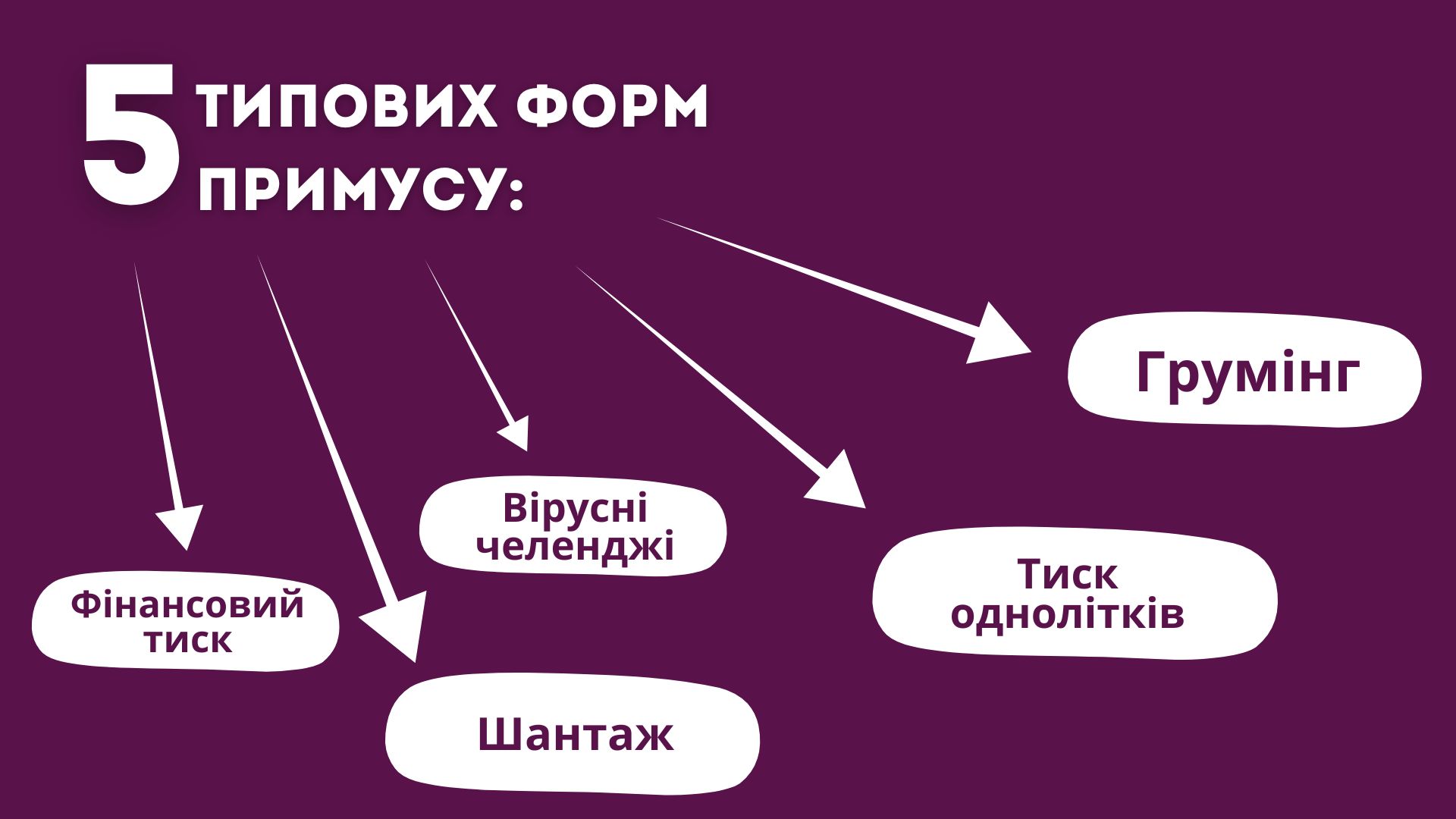
Grooming
Adults manipulate children into participating in “games” that involve exposing their bodies, gain their trust through promises of gifts, support, or opportunities, or use fake accounts to pose as peers.
Peer Pressure
Friends or romantic partners persuade teenagers to share intimate images because “everyone does it.” The content may later be used for humiliation, revenge, or blackmail.
Viral Challenges
Children participate in social media trends or challenges that secretly contain sexualized elements, such as sharing photos in swimwear or performing suggestive acts for a “private group.” Some of these challenges are deliberately organized by criminal communities to collect exploitative material.
Sextortion and Blackmail
After obtaining even a single image, offenders demand more content or threaten to share the material publicly. This is one of the most common forms of SG-CSAM and is often accompanied by psychological manipulation, intimidation, and sometimes financial extortion.
Financial Exploitation
Some children agree to create intimate content because of poverty, family pressure, or promises of financial reward. On a global scale, this is particularly common in parts of Southeast Asia, Africa, and some regions of Eastern Europe, where families may themselves encourage children to produce such content.
The study demonstrates that children rarely create such material entirely on their own initiative. What appears to be a “voluntary” act is often the result of systematic manipulation that begins with trust-building and ends in exploitation.
The Situation in Ukraine
In Ukraine, levels of sexuality education and digital literacy remain relatively low. Many children do not fully understand that they may be violating the law or becoming victims of criminal exploitation.
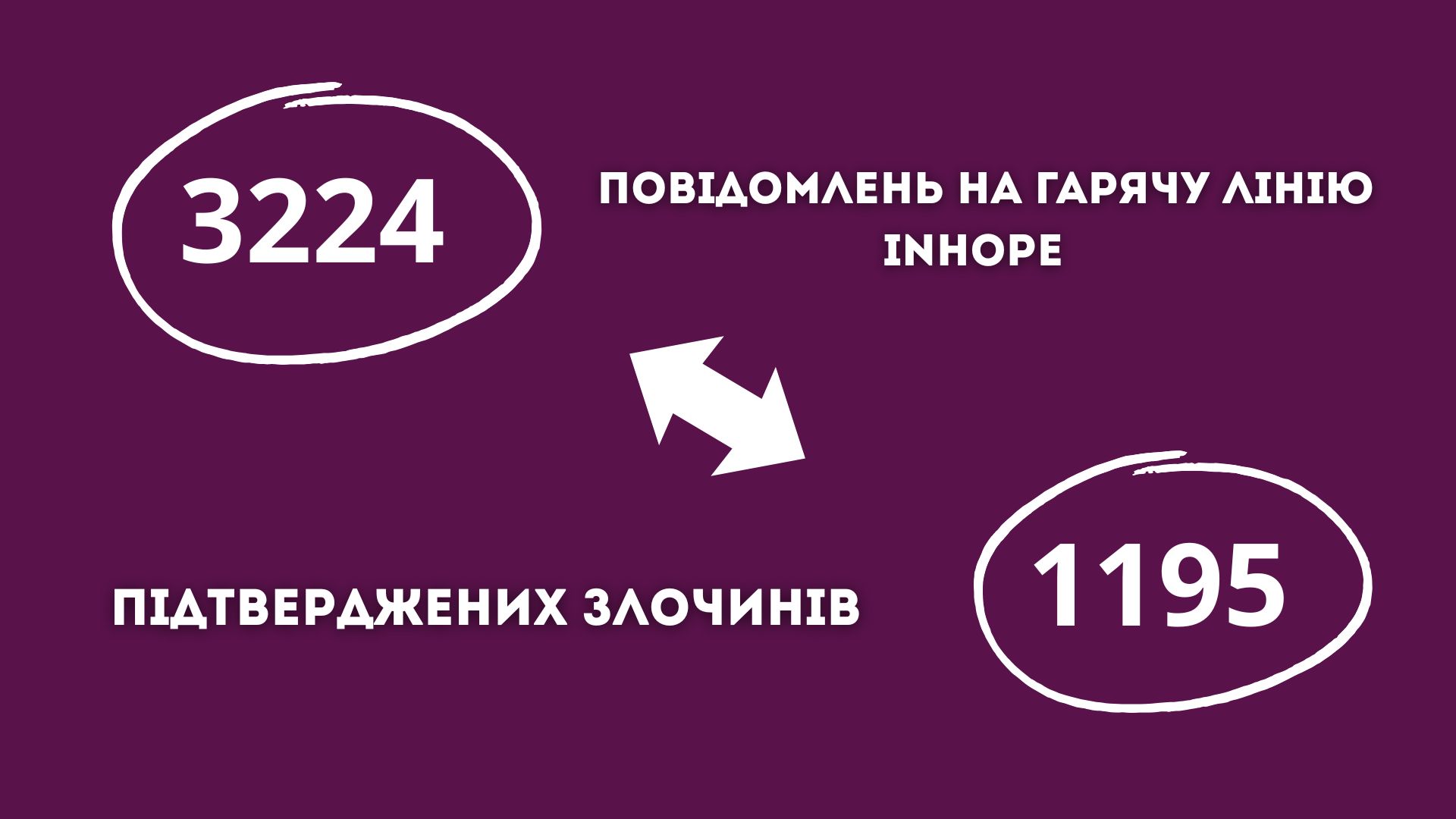
From January to October 2025, the StopCrime Hotline in Ukraine processed 3,224 reports, of which 1,195 were confirmed as criminal cases. This means that more than a thousand children became victims of exploitation, with images of their abuse distributed online.
This is not only a Ukrainian trend. According to the Internet Watch Foundation, more than 90% of child sexual abuse images identified globally in 2023 were self-generated. The problem is truly global.
What Needs to Be Done?
The first step is to recognize that this is not harmless entertainment, childhood mischief, or something children are responsible for. It is a modern form of sexual exploitation that often disguises itself as voluntary participation.
Education
Schools should provide comprehensive digital safety and age-appropriate sexuality education.
Parenting
Parents should strive to build trusting relationships with their children and discuss difficult topics openly and without judgment.
Government Action
Governments should support cybercrime units, awareness-raising campaigns, and services for victims, while also strengthening accountability measures for online platforms where children may be exposed to exploitation.
Social Media Platforms
Platforms should implement transparent reporting and moderation mechanisms, including AI-powered moderation tools, age verification systems, and rapid removal of harmful live streams.
Warning Signs for Parents
Parents are often the first people who can notice signs that something may be wrong. Warning indicators may include:
- Spending significantly more time online than usual.
- Quickly hiding the screen or turning off the camera when someone enters the room.
- Refusing to discuss online contacts or activities.
- Appearing anxious, distressed, or withdrawn after online interactions.
If these signs appear, it is important not to blame or punish the child. Instead, parents should create a safe space for conversation, reassure the child that they will be supported, and seek to understand what is happening.
Parents should also review privacy settings on devices, discuss the risks associated with live streaming and online challenges, and explain that even content shared “as a joke” can be copied and distributed without consent.
Where to Seek Help
Cyber Police of Ukraine
https://ticket.cyberpolice.gov.ua/
Report Harmful Content Anonymously
https://stopcrime.ua/net-crime
National Police of Ukraine
102
Child Helpline Ukraine
116 111 (anonymous, free of charge, available 24/7)
Psychological Support Chat
https://t.me/Unsee_nebot
Learn More About Online Risks and Digital Safety
https://saferinternetcentre.org.ua/